Many homeowners dream of transforming their plain concrete surfaces into something truly distinctive. Among the various decorative options, acid base concrete stain stands out for its ability to create a one-of-a-kind, organic aesthetic. Unlike paint or topical coatings, acid staining works by chemically reacting with the minerals naturally present in your concrete, resulting in a translucent, mottled finish that can’t be replicated. While it offers a charming, earthy appeal, understanding its nuances, limitations, and potential alternatives is crucial for achieving your desired outcome.
What Exactly is Acid Base Concrete Stain?
At its core, an acid base concrete stain is not a paint, but a reactive solution. It typically consists of a blend of hydrochloric acid and metallic salts. When applied to concrete, these ingredients penetrate the surface and react with the lime (calcium hydroxide) content within the concrete. This chemical reaction permanently alters the concrete's color, creating a rich, variegated, and translucent effect that mimics the look of natural stone or aged leather. The final color is not opaque but rather a blend of tones, with no two applications ever looking exactly alike due to the unique composition of each concrete slab.
The available color palette for acid stains is generally limited to earthy tones, including various shades of brown, tan, terra cotta, and muted greens and blues. The intensity and exact hue depend heavily on the concrete's age, porosity, chemical makeup, and the specific stain product used. This inherent unpredictability is part of its charm, offering a truly custom finish, but it also means precise color matching is impossible.
The Application Process & Key Considerations
Achieving a successful acid stain finish requires meticulous preparation and careful application. The concrete surface must be impeccably clean, free from any existing sealers, paint, grease, or dirt, as these will prevent the stain from reacting properly. Often, a thorough cleaning and possibly etching are necessary steps before application.
The stain is typically applied with a sprayer, ensuring an even coat. Multiple coats may be used to achieve greater color intensity. After application, the stain needs time to react, which can range from a few hours to overnight. Once the reaction is complete, the surface must be neutralized with an ammonia or baking soda solution to stop the chemical process, followed by a thorough rinsing to remove any residue. The final, crucial step is applying a high-quality sealer. This not only protects the stained concrete from wear, moisture, and UV damage but also enhances the color and provides the desired sheen, from matte to high-gloss.
It's important to remember that acid stains do not hide existing cracks, spalling, or imperfections; in fact, they can often highlight them. Any repairs must be done prior to staining, and even then, patched areas may react differently, resulting in color variations.
Advantages and Disadvantages of Acid Staining
Understanding both the benefits and drawbacks of acid base concrete stain is vital for making an informed decision:
- Unique Aesthetic: Creates a beautiful, mottled, and natural-looking finish that is truly one-of-a-kind.
- Permanent Color: The color becomes an integral part of the concrete, meaning it won't chip, peel, or fade significantly over time.
- Versatility: Suitable for both interior and exterior concrete surfaces, including basements, patios, and even some driveways.
- Cost-Effective (DIY): For those with the skills and patience, DIY acid staining can be a relatively affordable way to enhance concrete.
However, there are significant limitations:
- Limited Color Palette: Restricted to earthy, translucent tones; no vibrant or opaque colors.
- Unpredictable Results: The final color and intensity are highly dependent on the concrete's composition, making precise color matching impossible.
- Doesn't Hide Flaws: Existing cracks, patches, and imperfections will remain visible, or even become more prominent.
- Requires Specific Concrete: Not effective on new concrete with low lime content, or on surfaces previously sealed or coated.
- Labor-Intensive: The preparation, application, neutralization, and sealing processes are time-consuming and require careful attention.
- Not a Protective Coating: The stain itself offers no protection; a sealer is absolutely essential for durability and longevity.
- Safety Concerns: Involves working with acids, requiring proper ventilation and safety gear.
Beyond Acid Stains: Superior Concrete Coating Solutions
While acid base concrete stain offers a distinct look, many homeowners seek greater control over the aesthetic, enhanced durability, and more comprehensive protection for their concrete surfaces. For these needs, modern concrete coating systems often provide superior solutions. Legacy Concrete Coatings specializes in advanced coating technologies that deliver both stunning beauty and unparalleled performance.
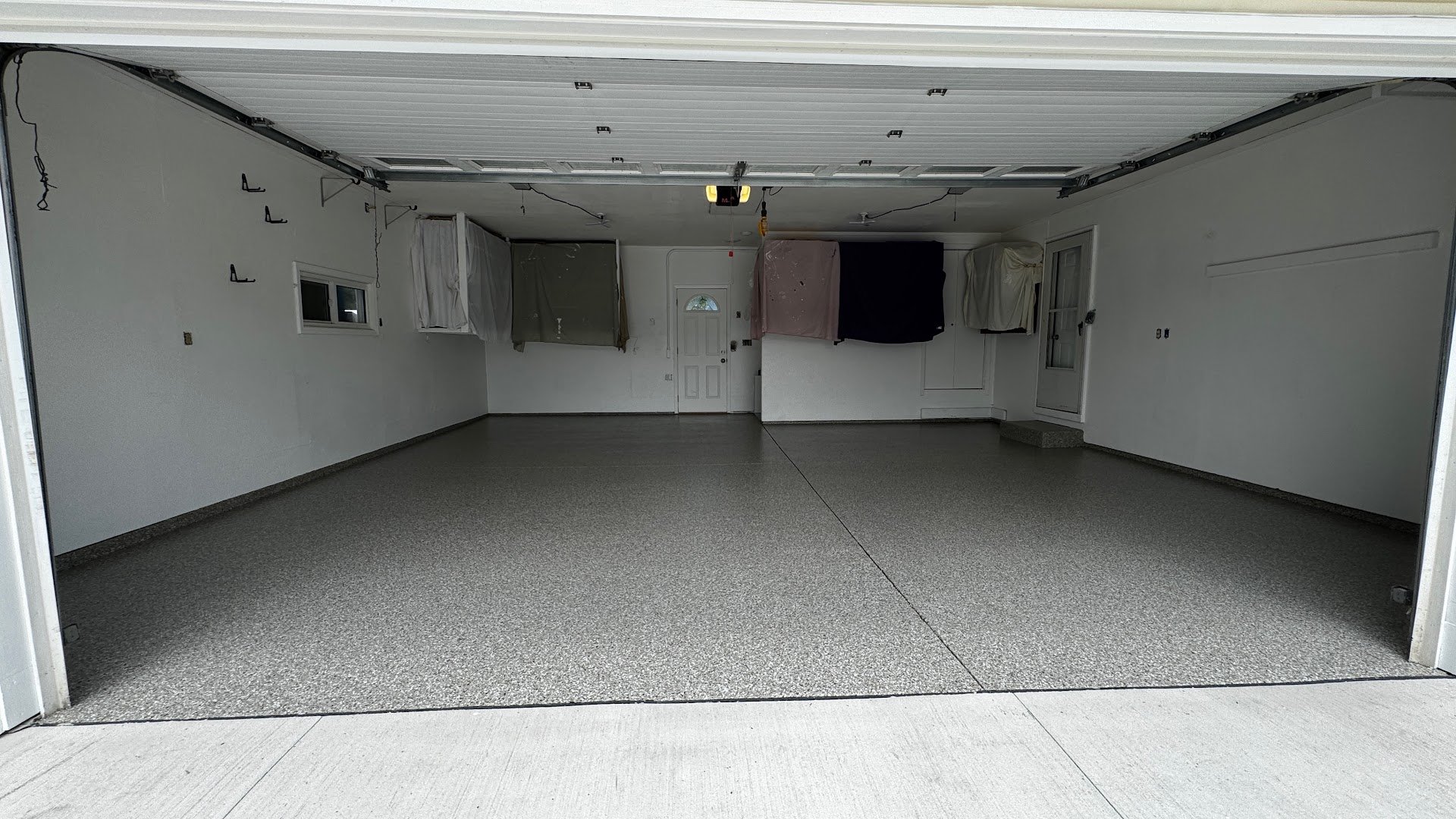
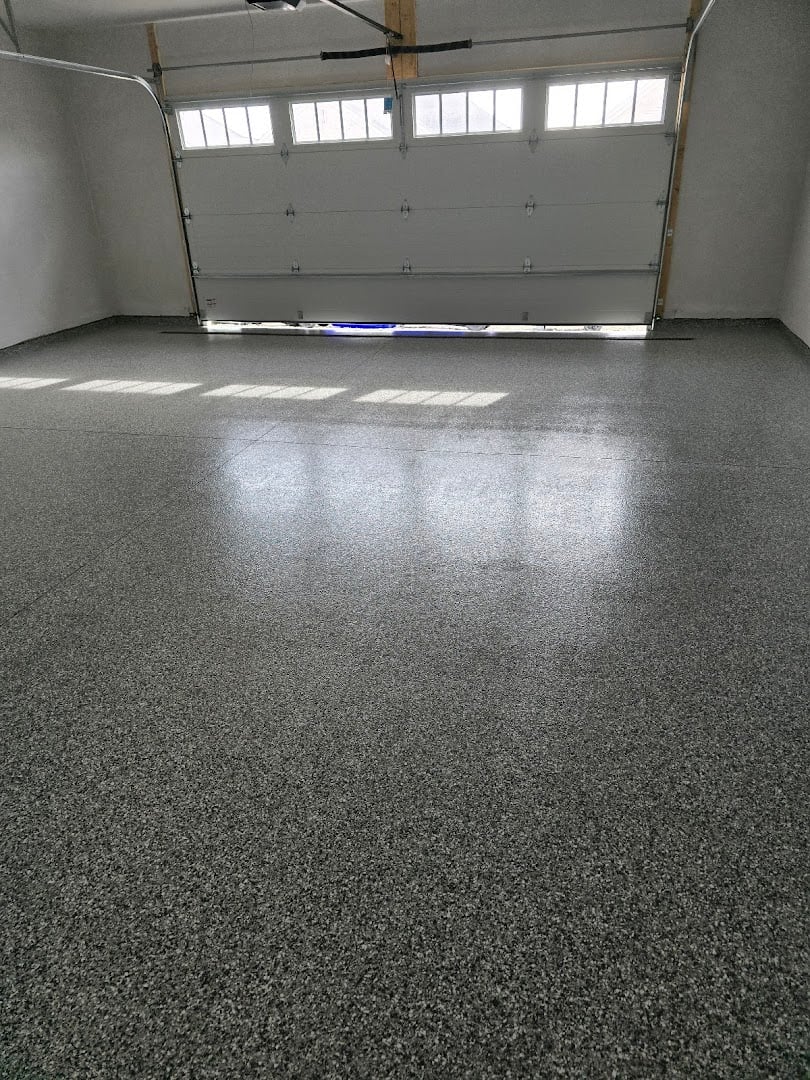
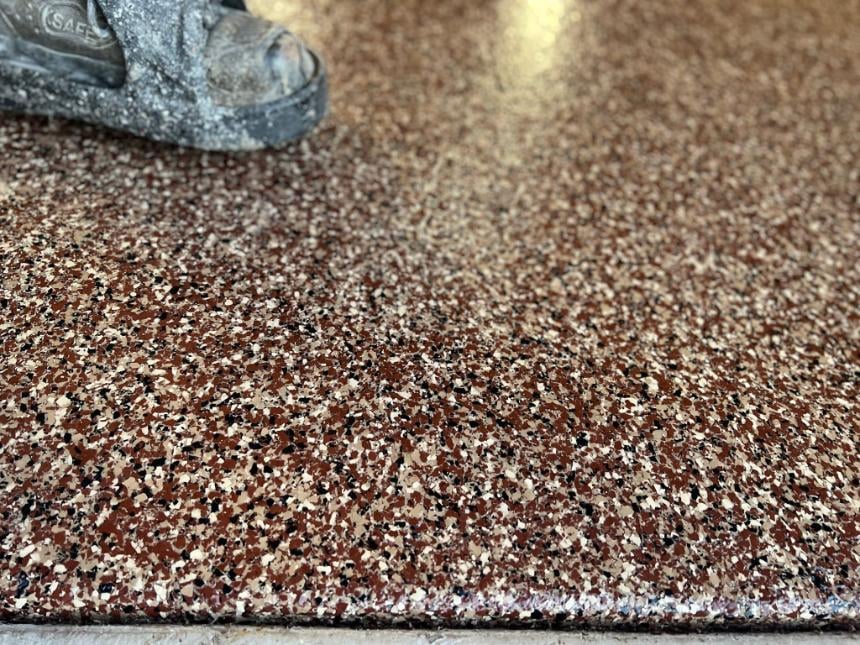
Our professional-grade coatings, unlike reactive stains, create a robust, protective layer over your concrete. This allows for an extensive range of design possibilities, from vibrant solid colors and intricate flake systems to elegant metallic finishes. These coatings are engineered for exceptional resistance to abrasion, chemicals, UV rays, and temperature fluctuations, making them ideal for high-traffic areas like garages, basements, patios, pool decks, driveways, and walkways. They can also effectively bridge minor cracks and imperfections, creating a smooth, uniform, and easy-to-clean surface that transforms any space into a functional and beautiful area. When you choose Legacy Concrete Coatings, you're investing in a durable, customizable, and professionally installed solution designed to last for years.
Frequently Asked Questions
How long does an acid base concrete stain last?
The color created by an acid stain is permanent because it's a chemical reaction within the concrete itself. However, the durability and appearance of the surface depend heavily on the quality and maintenance of the sealer applied over it. A good sealer typically lasts 3-5 years before needing reapplication, especially in high-traffic or outdoor areas.
Can acid stain be applied to any concrete surface?
No, acid stains require concrete with sufficient lime (calcium hydroxide) content to react with. They are generally not effective on new concrete (less than 28 days old), concrete with a very low lime content, or surfaces that have previously been sealed, painted, or covered with other coatings. The concrete must also be free of any contaminants.
What colors are available with acid base concrete stain?
Acid stains produce a limited palette of earthy, translucent colors, primarily ranging from browns, tans, and terra cottas to muted greens and blues. They do not create opaque or vibrant colors like reds, yellows, or bright whites. The exact shade will also vary based on the specific concrete slab.
Is acid staining a suitable DIY project?
While some homeowners attempt DIY acid staining, achieving professional-quality results is challenging. The process involves precise surface preparation, careful application to avoid lap lines or unevenness, proper neutralization, and the safe handling of acidic chemicals. Mistakes can be difficult, if not impossible, to correct. For consistent and high-quality outcomes, professional installation is recommended.
Does acid stain hide cracks or imperfections in concrete?
No, acid stain does not hide cracks, chips, or other imperfections. In fact, because it creates a translucent finish, it can often highlight these flaws. Any significant repairs to the concrete surface must be completed before staining, and even then, patched areas may react differently to the stain, resulting in color variations.
What's the main difference between acid stain and modern concrete coatings like epoxy?
The main difference lies in their mechanism and outcome. Acid stain chemically reacts with the concrete to change its color permanently, creating a translucent, mottled look. It doesn't add a protective layer itself. Modern concrete coatings, such as epoxy or polyaspartic systems, are topical layers that sit on top of the concrete, providing a durable, protective, and often opaque finish with a vast range of color and design options. They also offer superior resistance to abrasions, chemicals, and impacts.
Ready to explore the best concrete solution for your home? Whether you're considering the unique appeal of acid base concrete stain or the superior durability and customization of modern coatings, Legacy Concrete Coatings is here to help. Our experts can assess your specific needs and recommend the ideal solution for your garage, basement, patio, pool deck, driveway, or walkway. Contact us today for a free, no-obligation estimate and let us transform your concrete surfaces.