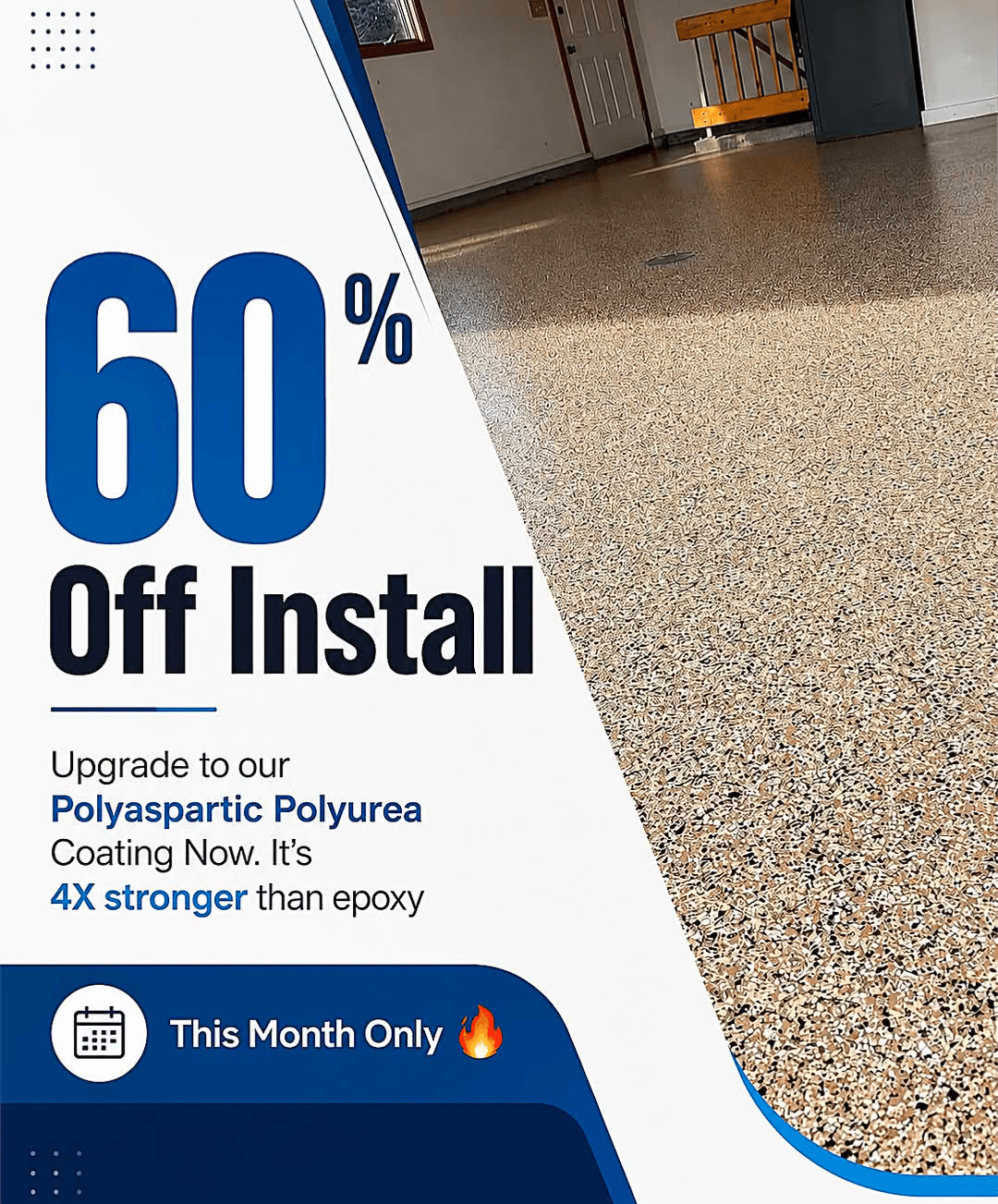
Quick answer: Garage floor coatings protect concrete by forming a chemical-resistant barrier that prevents oil, grease, brake fluid, and other automotive chemicals from soaking into the surface. Epoxy and polyaspartic coatings from Legacy Concrete Coatings create a non-porous seal that resists staining, cracking, and degradation, making cleanup fast and keeping garage floors looking new for years.
Key Takeaways
- Garage floor coatings seal concrete's porous surface, blocking oil, grease, and chemical spills from soaking in and causing permanent stains.
- High-quality coatings like epoxy and polyaspartic systems resist degradation from common automotive fluids, including motor oil, antifreeze, and brake fluid.
- Legacy Concrete Coatings installs durable, chemical-resistant garage floor coatings Rochester MN homeowners trust to protect their investment and simplify cleanup.
Anyone who's parked a car in a garage for more than a few months knows the drill. A slow oil leak here, a splash of brake fluid there, and before long the concrete floor tells the whole story of every repair job you've ever done. Bare concrete is porous by nature, which means it soaks up whatever lands on it. Once a stain sets in, it's often there for good.
That's the exact problem garage floor coatings are designed to solve. Rather than fighting stains after they happen, a properly applied coating stops them from forming in the first place. Understanding how these coatings work — and what makes them different from a coat of paint — helps explain why they've become the go-to solution for garages that see regular automotive use.
Why Does Bare Concrete Stain So Easily?
Concrete might look solid, but under a microscope it's full of tiny pores and capillaries. These gaps act like a sponge, drawing in liquids through capillary action. Motor oil, transmission fluid, and antifreeze are especially good at finding their way into these pores because they have low surface tension, allowing them to spread and penetrate quickly.
Once a chemical soaks below the surface, cleaning becomes a losing battle. Surface scrubbing might lighten a stain, but it rarely removes it completely. Over time, repeated exposure to automotive fluids can also weaken the concrete itself, contributing to cracking and surface pitting.
How Do Garage Floor Coatings Create a Protective Barrier?
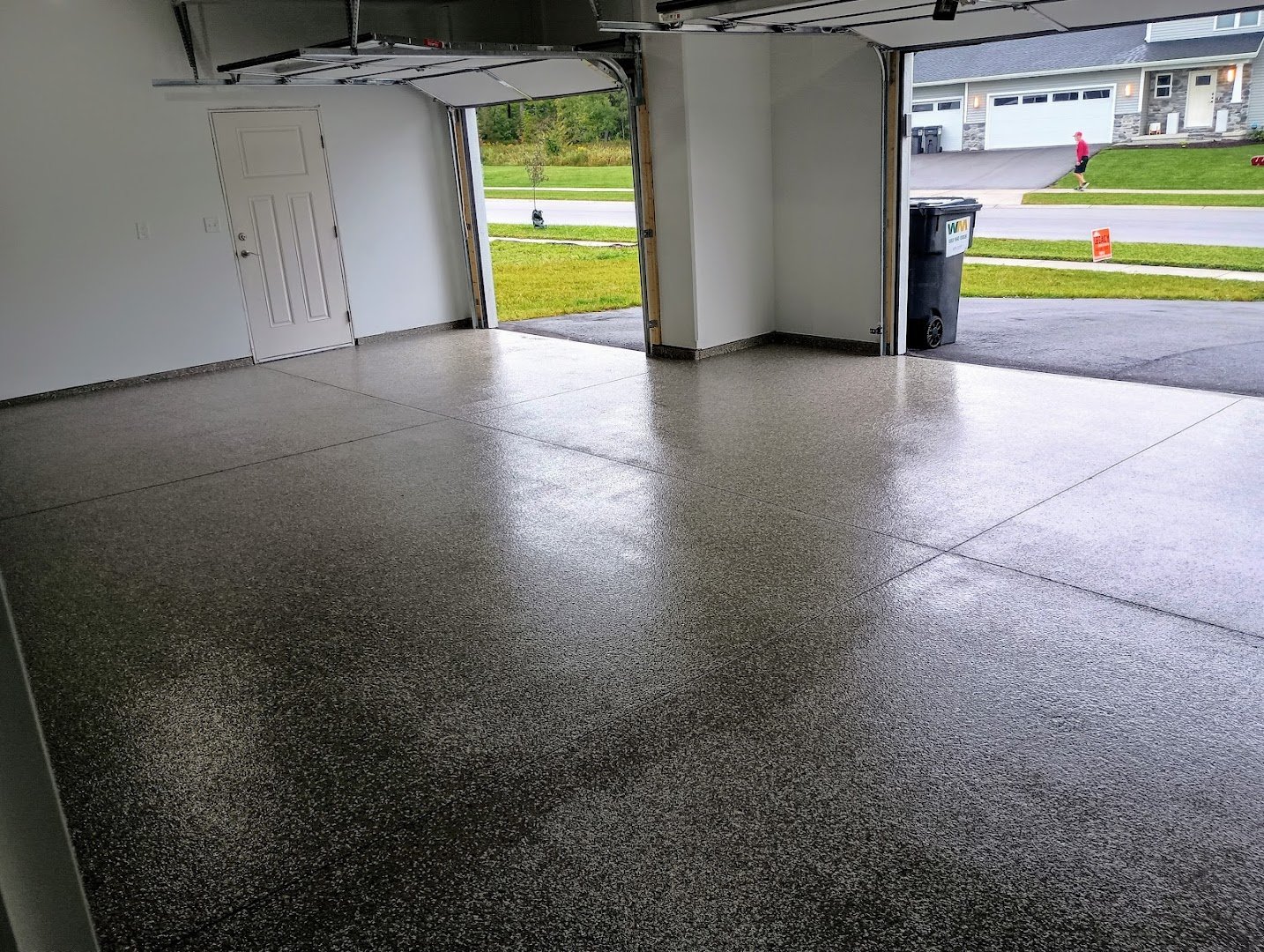
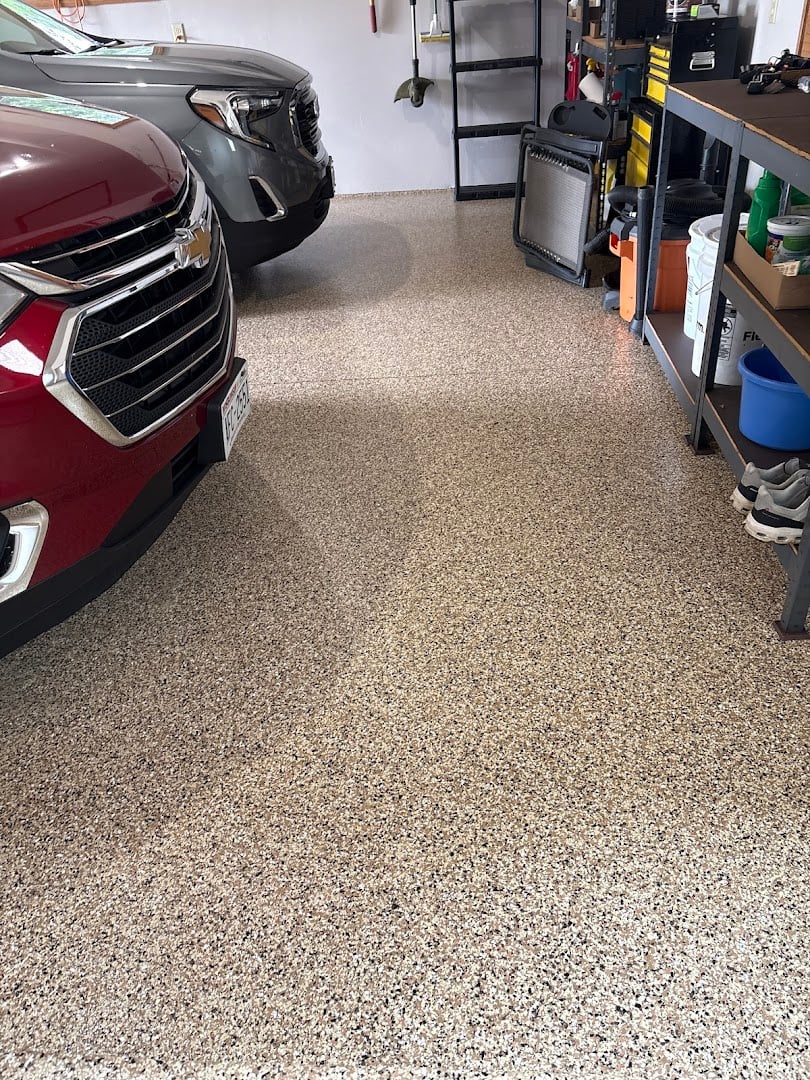
A garage floor coating works by filling those microscopic pores and forming a continuous, non-porous layer across the entire surface. Instead of soaking in, spilled liquids sit on top of the coating, where they can be wiped away before they cause damage.
The most common systems used for this purpose are:
- Epoxy coatings: A two-part resin and hardener mixture that cures into a hard, glossy surface. Epoxy is well known for its strong adhesion to concrete and its resistance to a wide range of automotive chemicals.
- Polyaspartic coatings: A newer polymer technology that cures faster than epoxy and offers added flexibility, along with strong resistance to UV yellowing and chemical exposure.
- Polyurea coatings: Often used as a topcoat over epoxy base layers, polyurea adds an extra layer of durability and chemical resistance, particularly against harsher solvents.
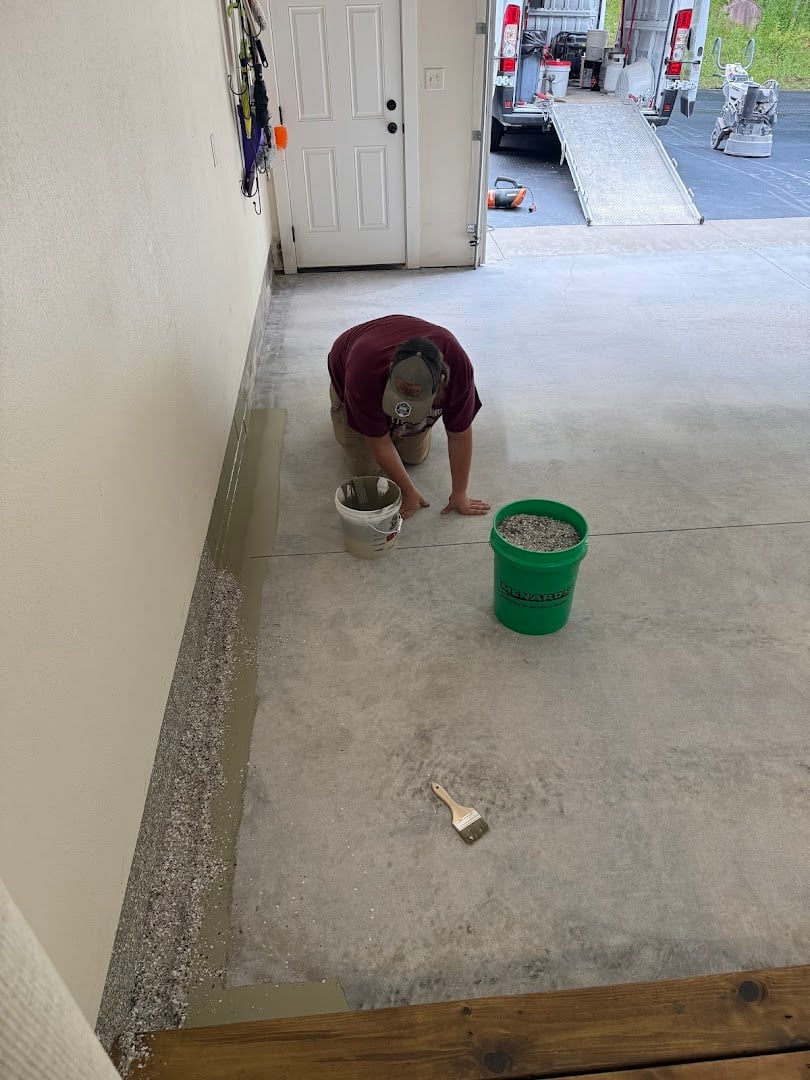
At Legacy Concrete Coatings, floor systems are typically built in layers, with each one serving a specific purpose. A base coat bonds to the concrete, a color or flake layer adds visual appeal, and a topcoat delivers the primary chemical and abrasion resistance the floor will rely on daily.
What Automotive Chemicals Can a Coated Floor Resist?
A well-installed garage floor coating should hold up against the full range of substances commonly found in a home garage or workshop, including:
- Motor oil and synthetic oil blends
- Transmission and brake fluid
- Antifreeze and coolant
- Gasoline and diesel fuel
- Battery acid
- Degreasers and solvents used during repairs
Because these coatings are chemically inert once fully cured, they don't react with these substances the way bare concrete or standard paint does. This means a spill can sit on the surface for hours without causing discoloration or surface breakdown, giving homeowners time to clean it up on their own schedule rather than scrambling immediately.
Why Do Some Coatings Fail to Resist Stains?
Not every coating performs the same way, and the difference often comes down to preparation and product quality. A few common reasons coatings fail prematurely include:
- Poor surface preparation: If concrete isn't properly ground or etched before coating, adhesion suffers, and chemicals can eventually work their way underneath the coating.
- Low-quality materials: Many DIY kits sold at hardware stores use thinner, less durable resins that break down faster under chemical exposure.
- Incorrect cure time: Coatings that are used before they've fully cured are more vulnerable to staining and damage.
Choose a professionally installed epoxy or polyaspartic system if long-term chemical resistance is the priority, since these systems are formulated and applied with far more precision than most retail alternatives. For garages with heavier daily traffic or frequent chemical exposure, a multi-layer system with a polyurea topcoat offers the strongest protection available.
How Long Do Chemical-Resistant Garage Floor Coatings Last?
With professional installation and reasonable maintenance, a quality garage floor coating can last 10 to 20 years, depending on the system used and the level of daily wear it experiences. Epoxy systems with a polyurea or polyaspartic topcoat tend to last on the longer end of that range because the topcoat absorbs most of the abrasion and chemical exposure, protecting the base layer underneath.
Routine maintenance, such as sweeping away debris and wiping up spills promptly, helps extend a coating's lifespan even further.
Protect Your Garage Floor with Legacy Concrete Coatings
A garage floor takes a beating from the moment a car pulls in for the first time. Oil drips, tool drops, and chemical spills are simply part of daily life for most garages, but they don't have to leave permanent marks. A quality coating turns a vulnerable concrete surface into one built to handle exactly what a garage throws at it.
Legacy Concrete Coatings specializes in installing durable, chemical-resistant garage floor coatings Rochester MN homeowners rely on to protect their concrete and keep their garages looking sharp for years to come. Reach out today for a free consultation and find the right coating system for your garage.
Frequently Asked Questions
Do garage floor coatings really stop oil stains?
Yes. A properly cured epoxy or polyaspartic coating seals concrete's pores, so oil and other fluids sit on top of the surface instead of soaking in, making them easy to wipe away.
How much does a chemical-resistant garage floor coating cost?
Costs vary based on garage size, the number of coating layers, and material choice, but most homeowners can expect a range depending on whether they choose a basic epoxy system or a multi-layer polyaspartic and polyurea combination. Legacy Concrete Coatings provides free, no-obligation quotes tailored to each project.
Can I apply a chemical-resistant coating myself?
DIY kits are available, but they typically use thinner materials and lack the surface preparation professionals perform, which often leads to premature failure. Professional installation ensures proper grinding, priming, and curing for lasting chemical resistance.
What's the difference between epoxy and polyaspartic coatings?
Epoxy offers strong adhesion and chemical resistance but cures more slowly and can yellow under UV exposure. Polyaspartic coatings cure faster, resist UV damage, and offer added flexibility, making them a strong choice for garages that need quick turnaround or extra durability.
How do I maintain a coated garage floor?
Sweep regularly to remove grit that can cause surface scratches, and wipe up spills as soon as possible. Occasional mopping with a mild cleaner is usually enough to keep the coating looking new.