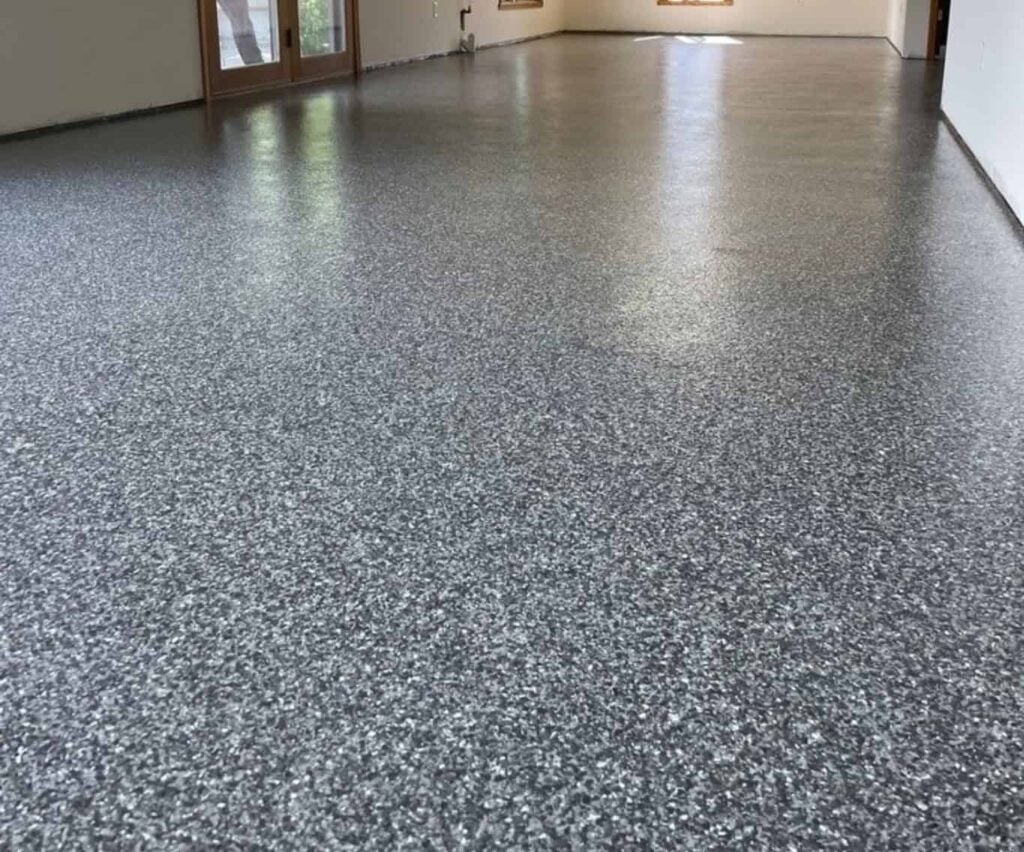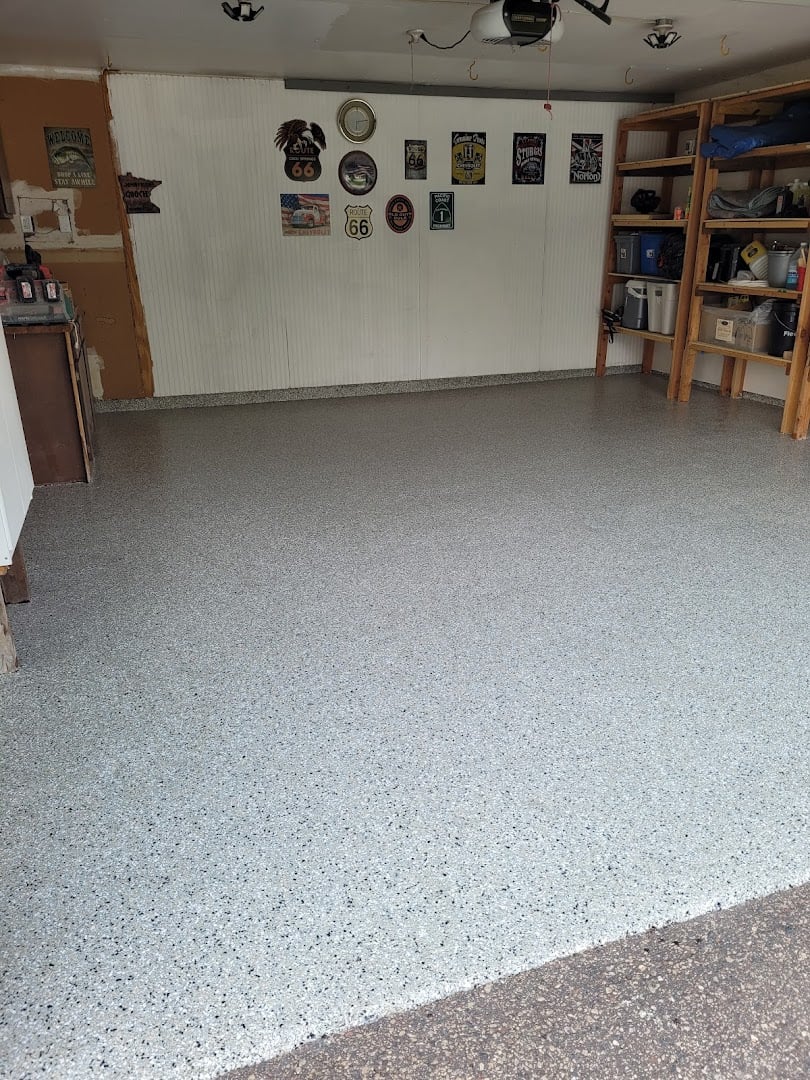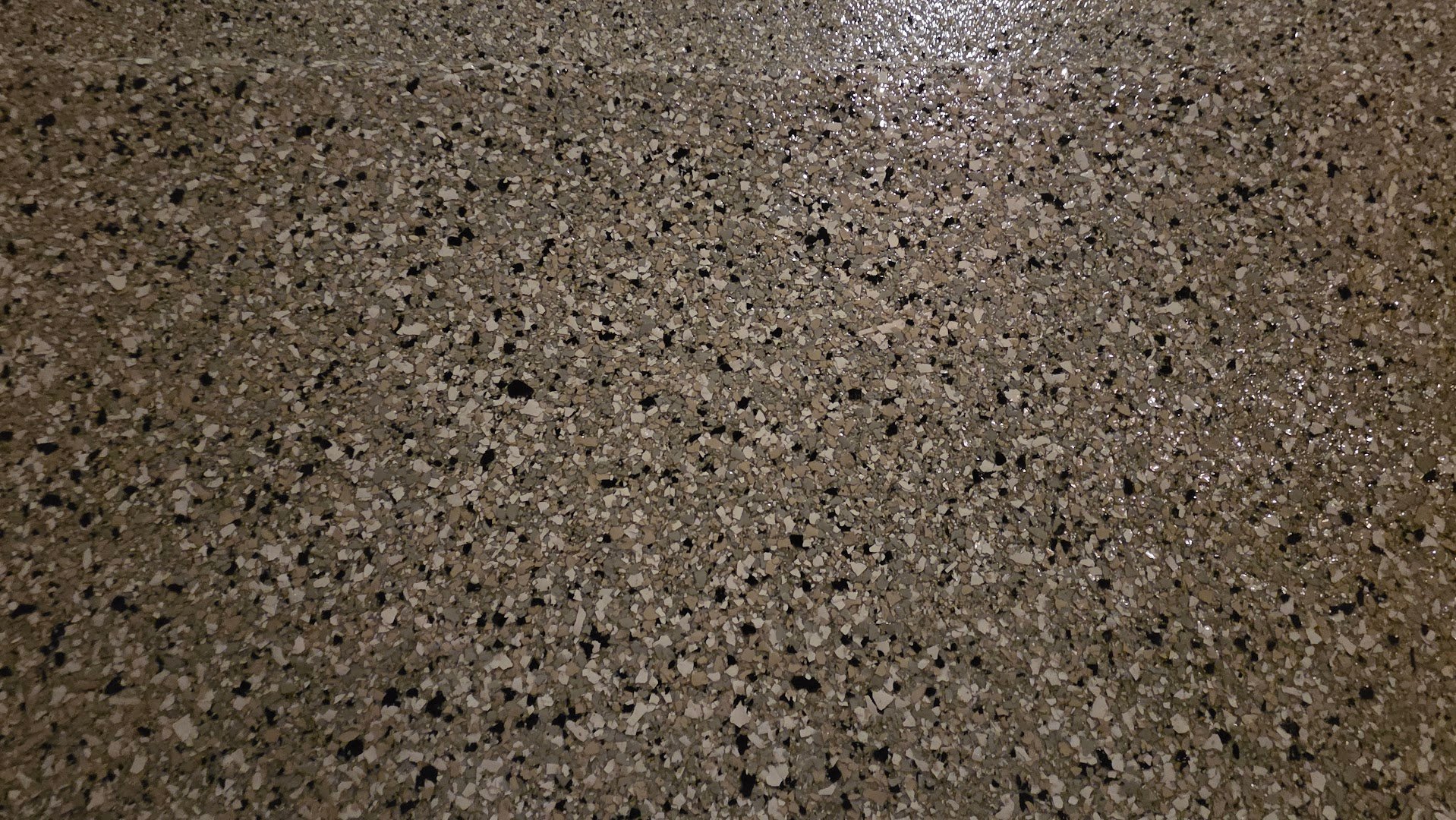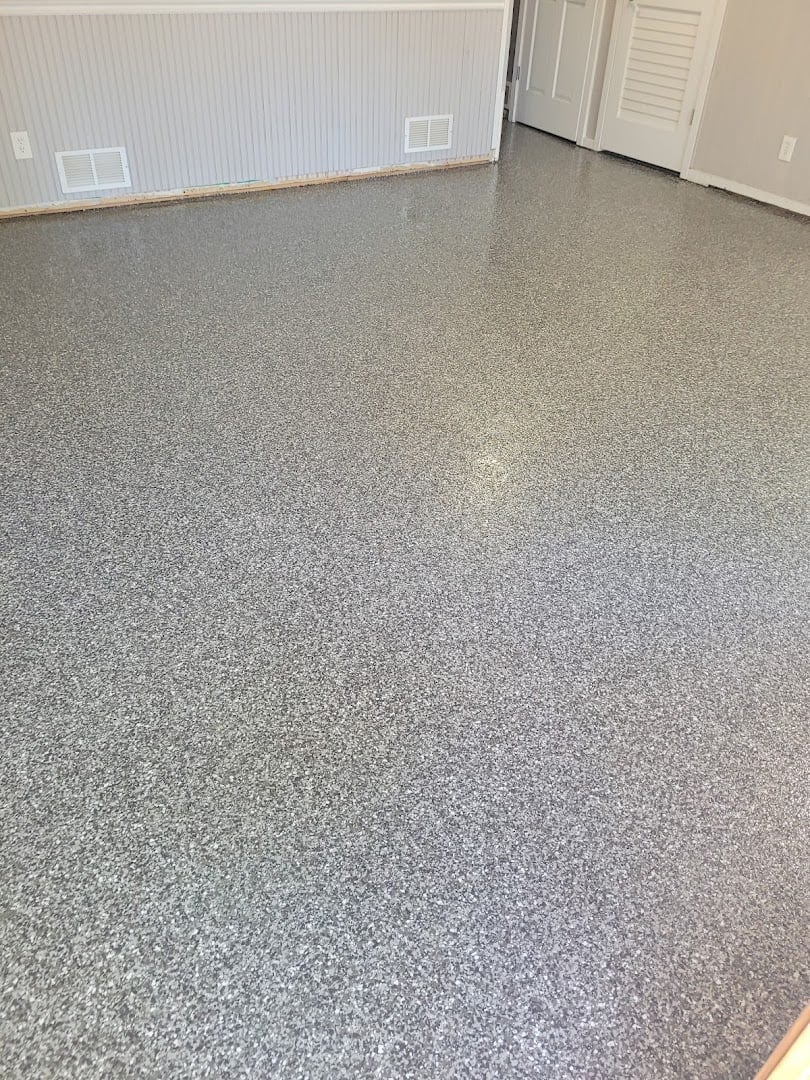
Quick answer: Commercial concrete coatings differ from residential systems in thickness, durability, cure time, and chemical resistance. Commercial floors handle heavy machinery, forklifts, and constant foot traffic, so they require multi-layer, industrial-grade coatings. Residential systems prioritize appearance and are built for lighter, everyday use like garages and patios.
If you own or manage a warehouse, retail space, or manufacturing facility, you already know your floors take a beating. The coating you choose can mean the difference between a surface that lasts for decades and one that peels within a year. But here's where many property owners get tripped up: they assume a residential-grade product will hold up in a commercial setting. It won't.
Understanding what separates commercial concrete coatings from residential systems will save you money, downtime, and a lot of frustration. This post breaks down the key differences—so you can make the right call for your space.
Key Takeaways
- Commercial concrete coatings are thicker, tougher, and formulated to resist chemicals, abrasion, and heavy loads that would destroy a residential system.
- Residential coatings focus on aesthetics and lighter use, while commercial systems prioritize performance, safety compliance, and long-term durability.
- Choosing the right system for your property protects your investment and reduces costly repairs down the road.
Why can't you use a residential coating in a commercial space?
The short version: residential coatings aren't built for the demands of a commercial environment.
A garage floor might see a car, a lawnmower, and the occasional dropped wrench. A commercial floor, on the other hand, faces forklifts, pallet jacks, chemical spills, and thousands of footsteps a day. These are completely different worlds.
Residential systems are typically thinner and designed with looks in mind. Commercial systems are engineered for survival. When you put a lightweight product in a high-stress environment, it breaks down fast—leaving you with cracks, peeling, and a repair bill that could have been avoided.
What are the biggest differences between commercial and residential systems?
1. Thickness and layering
Residential coatings often go on as a single layer or thin two-coat application. Commercial systems use multiple layers—a primer, one or more build coats, and a topcoat. This added thickness creates a stronger bond and a surface that can absorb heavy impact without failing.
2. Durability and load capacity
Commercial floors need to support serious weight. Think delivery trucks, industrial shelving, and machinery that runs around the clock. Commercial concrete coatings are formulated with tougher resins and aggregates that handle these loads without cracking or wearing thin.
3. Chemical and abrasion resistance
In warehouses, auto shops, and manufacturing plants, spills happen. Oil, solvents, acids, and cleaning agents can eat through a standard residential coating. Commercial-grade epoxy and polyaspartic systems are built to shrug off these chemicals and resist the constant scraping of equipment.
4. Cure time and downtime
Time is money for any business. Many commercial coatings—especially polyaspartic systems—cure quickly, sometimes allowing a facility to reopen within 24 hours. Residential products often take longer to fully cure, which is fine for a home but a dealbreaker for a business that can't afford extended closures.
5. Safety and compliance
Commercial spaces have to meet safety standards residential floors don't. Slip-resistant additives, high-visibility line striping, and coatings that meet OSHA guidelines are common in commercial applications. These features protect workers and help businesses stay compliant.
Which type of coating is right for your commercial property?
Not every commercial space needs the same system. The right choice depends on how you use the floor.
- Choose epoxy if you need a durable, cost-effective surface for a warehouse or storage facility with moderate traffic.
- Choose polyaspartic if fast cure time and quick reopening matter most—ideal for retail spaces and businesses that can't afford long downtime.
- Choose a coating with anti-slip additives if worker safety and OSHA compliance are top priorities, such as in food processing or manufacturing plants.
Working with an experienced installer helps you match the system to your specific needs. A professional will assess your traffic patterns, chemical exposure, and load requirements before recommending a solution.
How long do commercial concrete coatings last?
A properly installed commercial system can last 10 to 20 years or more, depending on the product and the level of wear it faces. Residential coatings, by comparison, often need attention sooner because they aren't built for the same intensity. The upfront investment in a commercial-grade system almost always pays off through fewer repairs and longer life.
Protect your investment with the right system
Your commercial floor is one of the hardest-working parts of your building. Treating it with a residential coating is like putting bicycle tires on a semi-truck—it just won't hold up. The right commercial concrete coatings protect your property, keep your team safe, and save you money over the long haul.
If you manage a commercial space in Minnesota, the team at Legacy Concrete Coatings specializes in commercial concrete coatings St. Paul MN businesses rely on. Reach out for a consultation and get a system built to match the way you actually use your space.
Frequently Asked Questions
How much do commercial concrete coatings cost?
Cost varies based on square footage, the type of system, floor condition, and prep work needed. Commercial systems generally cost more per square foot than residential coatings because they use higher-grade materials and require more labor. For an accurate estimate, request a quote from a professional installer who can evaluate your specific space.
Can you install a commercial coating over old or damaged concrete?
Yes, but the concrete must be properly prepared first. This usually means cleaning, grinding, and repairing cracks or spalling before the coating goes down. Skipping prep work leads to poor adhesion and early failure, so it's worth investing in proper surface preparation.
How long does installation take?
Most commercial coating projects take one to three days, depending on the size of the space and the system used. Polyaspartic coatings cure faster than epoxy, which can shorten the timeline. Your installer can give you a schedule based on your facility's needs.
What's the difference between epoxy and polyaspartic coatings?
Epoxy is a durable, budget-friendly option that works well for many commercial spaces, but it cures slowly and can yellow under UV light. Polyaspartic coatings cure much faster, resist UV damage, and offer excellent durability—though they typically cost more. The best choice depends on your budget, timeline, and how the floor will be used.