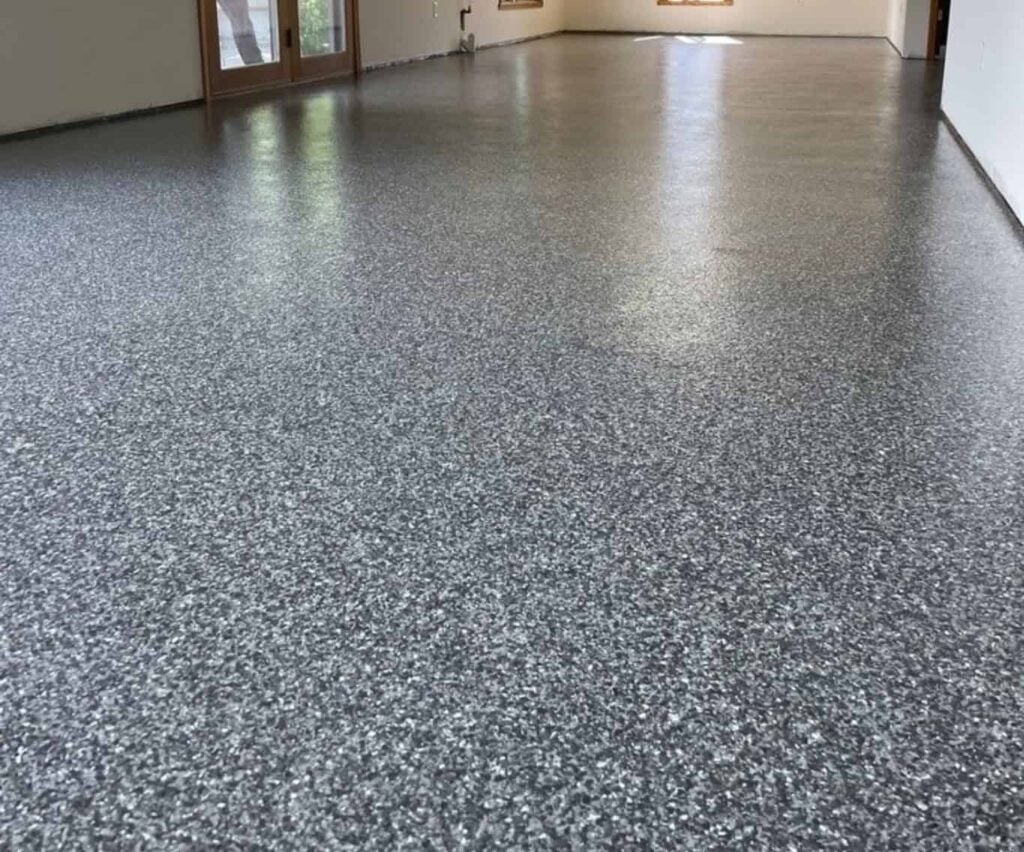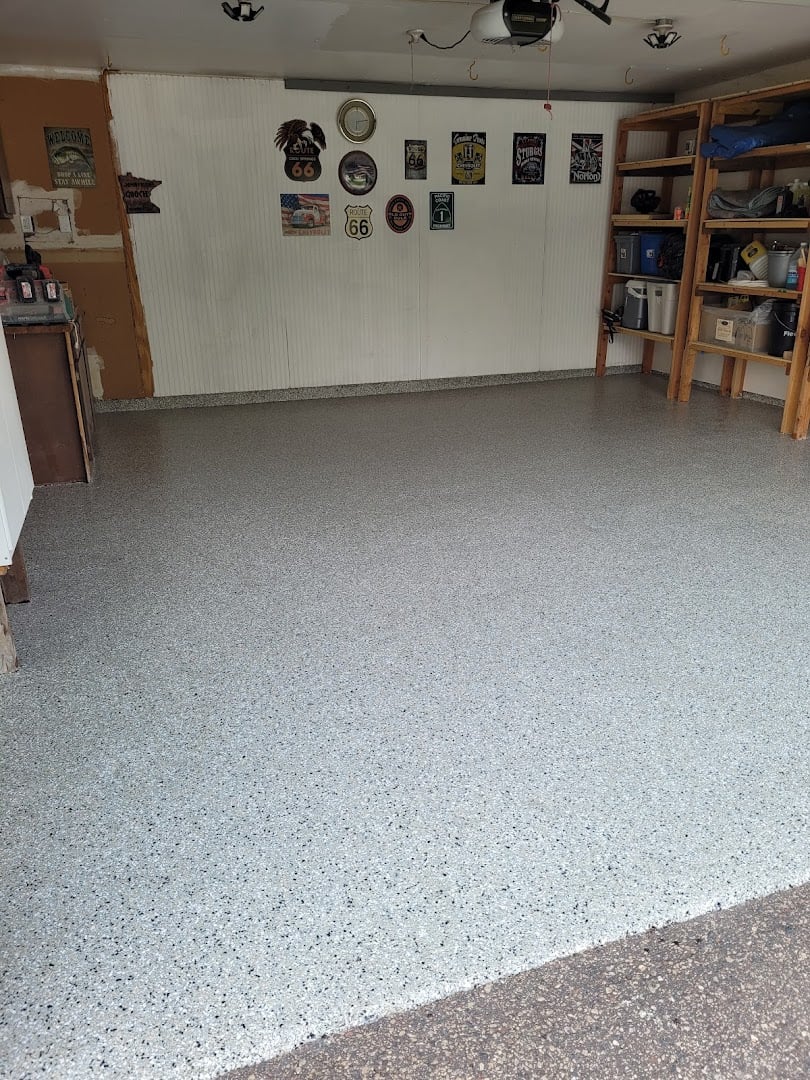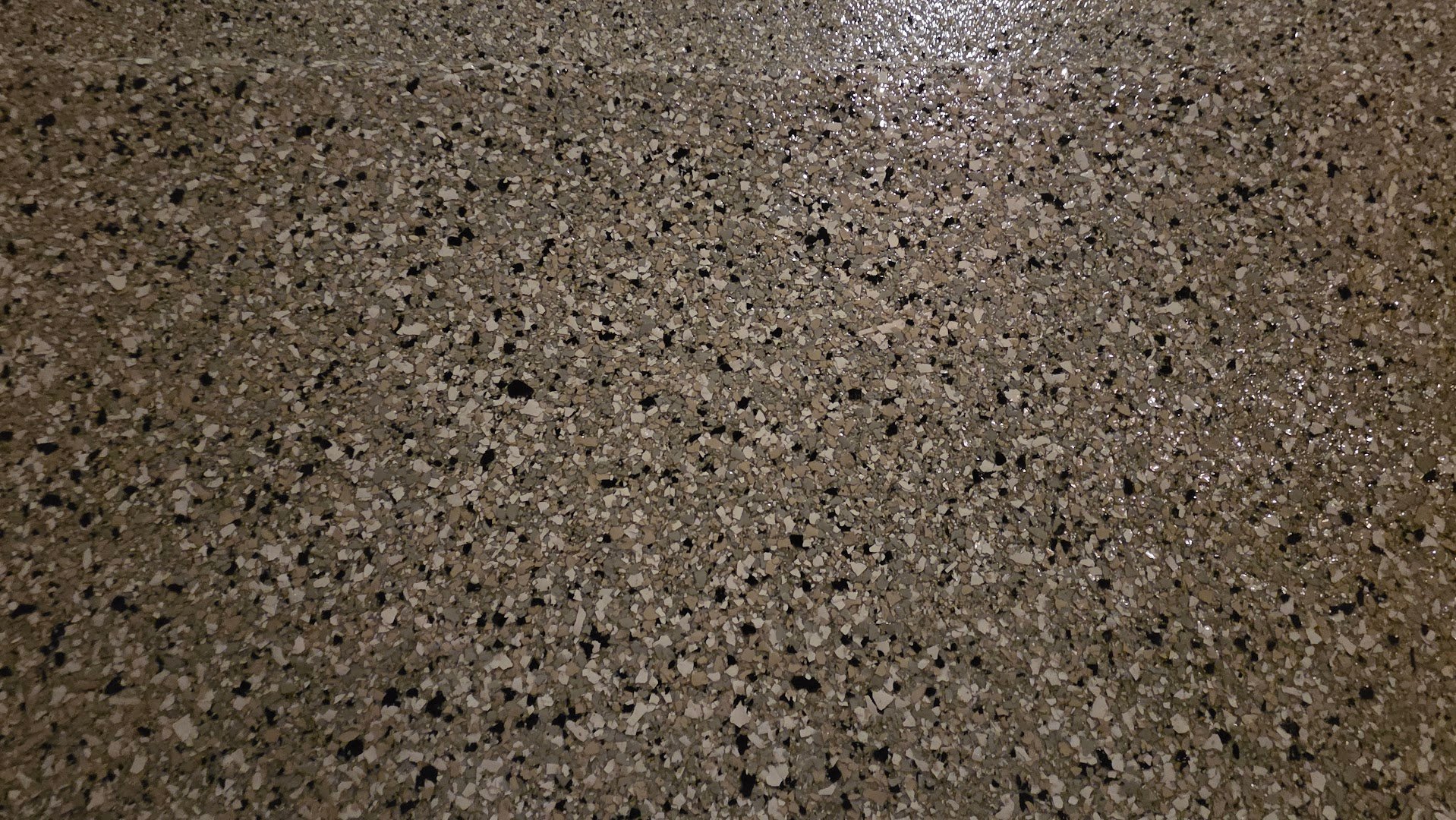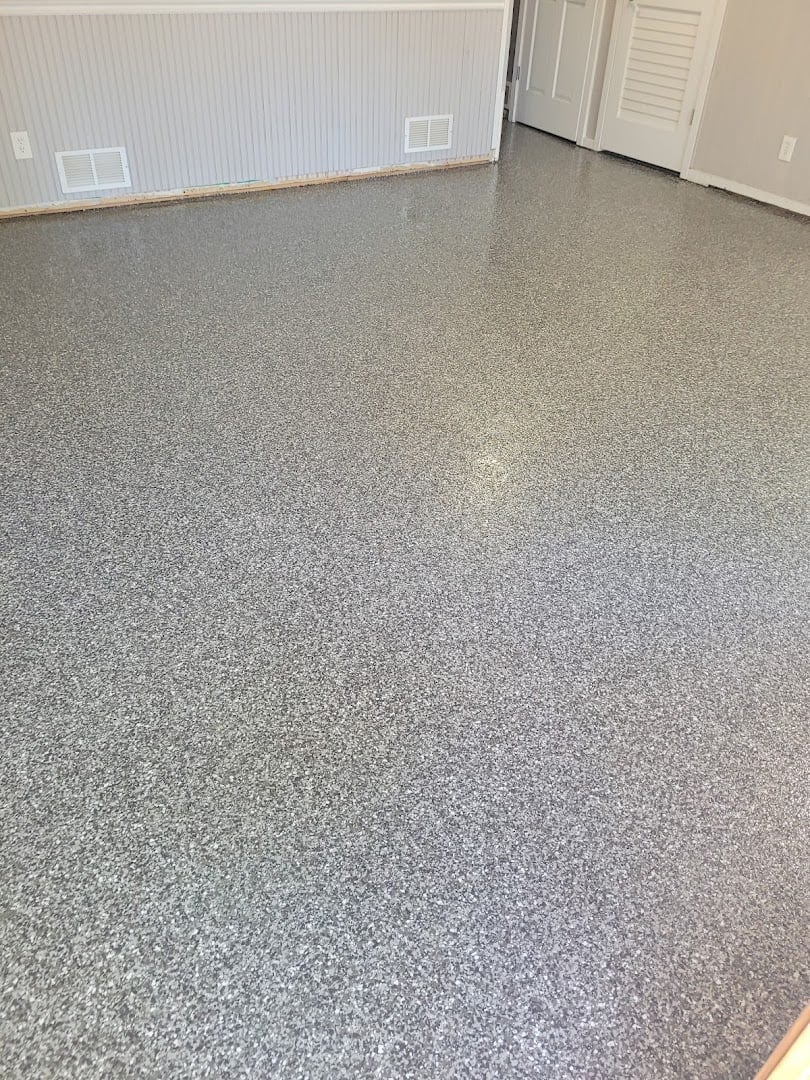
Quick answer: Rubber pool deck coatings are more comfortable for bare feet because they stay cooler in the sun, provide a soft cushioned surface, and offer slip resistance even when wet. This makes them ideal for pool areas where people walk barefoot for hours during the summer.
Anyone who has crossed a hot concrete pool deck in July knows the feeling—that quick, tiptoe sprint to the water to avoid burning your feet. It's uncomfortable, and it can be downright painful for kids and older family members. The surface around your pool shouldn't be something you dread walking on.
That's where rubber pool deck coatings come in. These surfaces are designed with comfort, safety, and durability in mind, making them a favorite for homeowners who want their pool area to feel as good as it looks. In this post, we'll break down exactly why rubber pool decks feel better underfoot and why more homeowners are choosing them.
Key Takeaways
- Rubber pool deck coatings stay cooler than bare concrete, provide a soft cushioned feel, and resist slips—making them far more comfortable for bare feet.
- The textured, flexible surface reduces the risk of slips and falls, adding a layer of safety for families with children and elderly members.
- For homeowners seeking rubber pool deck coatings in Minneapolis MN, this option combines year-round comfort with lasting durability against harsh weather.
Why Does Concrete Get So Hot Around the Pool?
Bare concrete absorbs and holds heat. On a sunny 85-degree day, an uncoated concrete pool deck can reach surface temperatures well above what's comfortable for skin. Because concrete has poor heat reflection, all that energy from the sun stays trapped in the surface, turning your deck into a hot plate.
Rubber surfaces behave differently. They reflect more heat and stay noticeably cooler to the touch, so you can walk, stand, and lounge without hopping from foot to foot. For families who spend long afternoons poolside, that temperature difference makes a real impact on comfort.
How Does a Rubber Surface Feel Softer Underfoot?
The secret is in the material. Rubber granules create a slightly flexible, cushioned surface that gives a little when you step on it. Compare that to hard concrete, which has zero give and can be rough on your joints after hours of standing.
This softness matters most for:
- Kids who run and play around the pool all day
- Older adults who benefit from a gentler surface on their knees and hips
- Anyone standing barefoot for extended periods while entertaining or supervising swimmers
The result is a pool deck that feels more like a comfortable mat than a slab of stone.
Is a Rubber Pool Deck Safer Than Concrete?
Comfort is one thing, but safety around water is just as important. Wet concrete can become dangerously slick, and slips near a pool are a common cause of injury.
Rubber pool deck coatings are naturally slip-resistant, even when wet. The textured finish gives your feet something to grip, which lowers the chance of falls. Combined with the softer surface, this means that if someone does slip, the landing is far more forgiving than it would be on hard concrete.
For parents watching kids race around the pool, that added safety brings real peace of mind.
Do Rubber Pool Decks Hold Up in Cold Climates?
This is a big question for homeowners in northern regions. Freezing temperatures, snow, and ice can wreak havoc on standard concrete, causing cracks and surface damage over the winter.
Rubber coatings are flexible, which helps them handle the freeze-thaw cycles that split rigid surfaces. That flexibility makes them a smart choice for homeowners looking into rubber pool deck coatings in Minneapolis MN, where winters are long and hard on outdoor surfaces. You get comfort in the summer and durability that survives the cold months.
Choosing the Right Surface for Your Pool
Choose a rubber pool deck coating if comfort and safety matter more to you than the low upfront cost of plain concrete. While bare concrete is cheaper to install, it heats up quickly, cracks over time, and becomes slippery when wet. A rubber surface costs a bit more initially but delivers year-round comfort, better safety, and a longer lifespan with proper installation.
For families, entertainers, and anyone who spends real time by the pool, the comfort payoff is worth it.
Enjoy a Pool Deck That Feels as Good as It Looks
Your pool area should be a place to relax—not a hot, slippery obstacle course. Rubber pool deck coatings solve the most common complaints about traditional concrete by staying cooler, feeling softer, and gripping better underfoot.
If you're ready to upgrade your pool deck, the team at Legacy Concrete Coatings can help you find the right solution for your home and climate. Reach out today to learn how a rubber surface can transform your pool area into a comfortable, safe space for the whole family.
Frequently Asked Questions
Are rubber pool deck coatings actually cooler than concrete?
Yes. Rubber surfaces reflect more heat and absorb less than bare concrete, so they stay noticeably cooler to the touch on hot, sunny days. This makes walking barefoot around the pool much more comfortable.
Do rubber pool decks get slippery when wet?
No. Rubber pool deck coatings are designed to be slip-resistant, even when wet. The textured finish gives your feet grip, which reduces the risk of falls around the pool.
How long do rubber pool deck coatings last?
With proper installation and basic maintenance, rubber pool deck coatings can last for many years. Their flexibility helps them resist cracking from temperature changes, which extends their lifespan compared to plain concrete.
Are rubber pool decks a good choice for cold climates like Minneapolis?
Yes. Because rubber coatings are flexible, they handle freeze-thaw cycles better than rigid concrete. This makes rubber pool deck coatings in Minneapolis MN a durable option for homeowners dealing with harsh winters.